
Reviewed · ANTIGUA GUATEMALA TOURS
Walk Antigua Like a Local
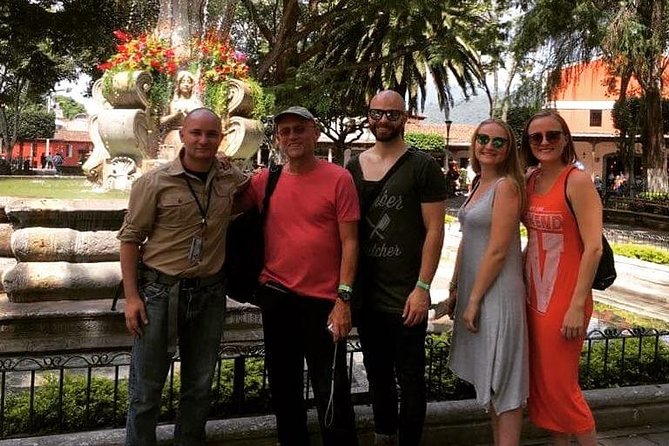
Antigua’s best introduction is not a checklist of churches. It is a walk that links its grand plaza, earthquake-battered convents, local foods, Mayan traditions, and everyday city life. This tour does that in three to four hours, with a local guide explaining what you are seeing instead of leaving you to decode the ruins alone.
I like the small-group size of up to 15 people, which keeps the walk more personal than a large city outing. I also like the mix of major sights and hands-on stops: you move from colonial architecture to Guatemalan cacao, jade, coffee, beer, and practical advice about ATMs and places to eat.
The main consideration is the amount of walking. Antigua’s cobbled streets can be tiring, and one past guest specifically advised wearing good shoes. The schedule also packs in a lot, so this is a broad first look rather than a slow visit to every church or museum.
Key points at a glance
- A strong first morning in Antigua: See the central park, major churches, Santo Domingo ruins, Santa Catalina Arch, and more before lunch.
- Local guides shape the experience: Roberto, Carlos, Esteban, Tony, Felix, and Manuel Barrios have all led versions of this tour, with an emphasis on history, culture, food, and daily life.
- Chocolate and jade add substance: Learn why cacao matters in Guatemala and why Guatemalan jadeite has such cultural value.
- The group can be flexible: Guides have adapted routes to personal interests and offered tips on restaurants, ATMs, photography, and local customs.
- Good value at $32: Fees, bottled water, and an artisanal beer tasting are included, though lunch and the admission fee at San Francisco El Grande are not.
- Plan for a real walk: The experience begins and ends at Casa de la Mandarina at 9:00 am and is limited to 15 people.
Why this walk works as your Antigua orientation
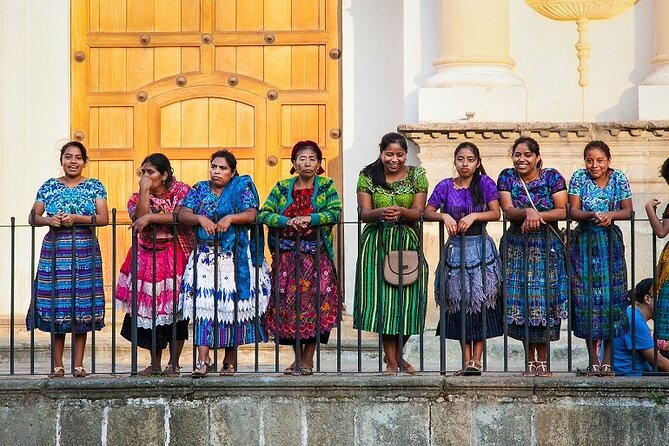
Antigua can look simple at first. Its streets form a tidy grid, its bright buildings are easy to photograph, and the central park gives you an obvious place to begin. But the city makes more sense once you understand its earthquakes, religious orders, colonial layout, local crafts, and links to wider Guatemalan culture.
That is the useful role of this tour. You get the main sights in half a day, but you also get the background that helps you notice details later. A low church tower is not just an odd design choice. A broken wall is not merely picturesque. A jade carving is not just a souvenir.
I would book this early in your stay. Several guides have been praised for helping people get their bearings, suggesting places to eat, explaining practical matters such as ATMs, and answering questions about architecture, Mayan traditions, coffee, and local food. That advice can save you time for the rest of your visit.
The guide may be Roberto, Carlos, Esteban, Tony, Felix, Manuel Barrios, or another member of the local team. The specific guide is not guaranteed, but the strongest pattern is clear: the experience depends heavily on a personable guide who adjusts the conversation to the group. If you want a fixed script with no questions, this may feel loose. If you like asking why a building looks the way it does, the format should suit you.
More Walking Tours in Antigua
- Antigua Guatemala: City Highlights Guided Walking Tour
★ 5.0 · 462 reviews - Antigua Guatemala: Street Food Walking Tour with Tastings
★ 4.8 · 87 reviews - La Antigua Horror Stories Night Walking Tour
★ 4.9 · 74 reviews
Plaza Central Park, the city’s living room
The walk begins with about 20 minutes in Antigua’s central park. This is the city’s main reference point, surrounded by the municipal building, the former palace, important religious buildings, and the cathedral.
The park matters because it is more than a historic square. It remains a place where people meet, vendors work, and the city’s daily rhythm is easy to watch. On weekends, the activity increases. You may have time to grab coffee or juice, though the tour’s included bottled water is the dependable refreshment.
Listen closely here for the guide’s explanation of how the square worked during the Spanish colonial period. Once you understand that this was the principal meeting point and center of public life, the surrounding buildings become easier to read.
The short stop is also a useful preview of the tour’s balance. You will see famous architecture, but you will not be sealed inside a museum. Antigua is still a working city, and the park gives you a quick look at that side of it.
San Francisco El Grande and Guatemala’s only saint
The stop at Iglesia de San Francisco El Grande lasts about 25 minutes. The church was damaged by the earthquakes of 1874 and 1917, abandoned for a time, and rebuilt during the second half of the twentieth century after religious orders were again allowed to own property in Guatemala.
The building you see today is therefore both colonial and modern. Restoration focused on making the church structurally sound, a practical choice in an earthquake-prone region. That process was controversial, and the guide can help you understand why a restored church may not look exactly as it did before the damage.
The key reason to visit is the tomb of Pedro de San José de Betancur, the only saint from Guatemala. This Franciscan monk founded a hospital for poor people in Antigua, and his story gives the church a human focus beyond its walls and facade.
Admission here is not included, so allow for that small extra cost. The supplied details do not give the fee. Because the stop is brief, you should expect an introduction rather than a long independent visit.
Santo Domingo ruins and the earthquake story
Casa Santo Domingo brings you to the remains of the former Convent of Santo Domingo. In the seventeenth century, it was one of the largest convents in the Americas. The Santa Marta earthquake of 1773 destroyed most of it.
Today, the former convent has developed into Hotel Museo Spa Casa Santo Domingo, with museum spaces and historic remains incorporated into the property. The important idea is how Antigua has adapted its ruins instead of simply fencing them off. Each surviving corner helps show the scale of the old religious complex and the force of the earthquake that changed the city’s future.
The listed visit is about 20 minutes, and admission is included. That makes it a convenient way to see one of Antigua’s important sites without committing much of your morning. Still, the short time means you may want to return later if you are interested in the museums or want a more careful look.
I find this stop particularly valuable for understanding Antigua as a city shaped by disaster. The ruins are not random leftovers. They explain why the city moved, why restoration is complicated, and why earthquake-resistant design appears throughout the old center.
A few more Antigua Guatemala days to weigh up
- From Antigua: Adventure, 2-Day Hiking to Acatenango Volcano
★ 4.4 · 1,189 reviews - From Antigua: Pacaya Volcano Tour in English/Spanish
★ 4.5 · 930 reviews - From Antigua: Pacaya Volcano Trek
★ 4.4 · 798 reviews - Antigua, Guatemala: Volcano Acatenango Overnight Hiking
★ 4.6 · 645 reviews
La Merced Church and clever earthquake design
La Iglesia de la Merced is one of Antigua’s most recognizable churches. Its Baroque design is ornate, but the detail I would pay closest attention to is the unusually low height of the two bell towers.
That was not an accident or a lack of ambition. Lower towers were better suited to a region repeatedly shaken by earthquakes. The church shows how beauty and practical engineering had to work together in Antigua.
The tour description does not assign a visit length or state an admission charge for La Merced. Treat it as one of the important exterior and interior stops along the route, with the guide providing context as the group moves through the historic center.
This is the sort of detail you might miss while taking photographs. A guide turns the church from a pretty yellow facade into evidence of how local builders responded to danger.
Santa Catalina Arch and the classic Antigua photograph
The Santa Catalina Arch is probably the city’s most familiar picture. Built in the seventeenth century, it connected the Santa Catalina Convent to a school so cloistered nuns could pass between the buildings without walking outside.
The arch once served a very practical purpose. Today, it is a visual symbol of Antigua, especially when Volcán de Agua appears behind it on a clear day. The yellow arch, old convent buildings, and volcano can create one of the city’s strongest photographs.
Expect this stop to be popular and visually focused. Your guide can provide the story behind the arch and help you understand its connection to the former convent and church. If photography matters to you, ask the guide for a moment to frame the view instead of rushing through.
The volcano is weather dependent, of course. Cloud cover can hide it, so do not judge the stop solely by whether the postcard view appears.
Chocolate, cacao, and a taste of Guatemala
At the Chocolate Museum, you learn about cacao’s history, the cacao tree, and its importance in Guatemala. Choco Museo also has an artisanal factory using organic Guatemalan cacao beans, and the visit includes samples.
The tasting can include pure dark chocolate and blends flavored with cardamom, cinnamon, and coffee. That makes this more than a quick candy stop. You get a simple way to compare familiar chocolate with flavors tied to the region.
The guide explains how cacao developed in Guatemala and how its influence spread around the world. For you, the value is in connecting an everyday food to agriculture, trade, culture, and local production.
The tour information does not specify the tasting quantity or the exact time spent here. If you have food allergies or dietary concerns, ask before sampling. Lunch is not included, so the chocolate stop should not be treated as a meal.
Jade and the meaning behind the stone
Guatemala is one of only four countries in the world with deposits of jadeite jade. The stone has been used for more than 5,000 years in both China and Mesoamerica, for ornaments, tools, utensils, and weapons.
In Guatemala, jade carries strong symbolism. It is associated with good luck, eternal life, abundance, and hope. That background gives a jade stop more meaning than a simple shopping opportunity. You can look at color, polish, and design while also learning why the material mattered to earlier cultures.
The supplied schedule does not state how long the jade visit lasts or whether purchases are expected. I would treat it as an educational stop first. If you are considering buying something, ask about the stone’s origin, type, and documentation before spending money.
This is also a useful place to connect the tour’s cultural themes. Churches show the colonial period, ruins show earthquake history, chocolate links agriculture and trade, and jade points to older Mesoamerican traditions.
The local touches that can change the day
The planned sights form the backbone, but the guide may adjust the route. One outing included a ride on a chicken bus and a walk through a market, described as unexpected highlights. Those additions are not guaranteed, so do not book this expecting a specific bus ride or market visit.
Still, they reveal what makes a local-led walk different from a route you follow on your own. A market gives you a look at daily commerce, while a chicken bus adds a small piece of ordinary transport. These moments can be more revealing than another church facade.
Guides have also adapted visits to personal requests. Tony was praised for taking a group where it wanted to go, and Esteban tailored a visit so a participant could see particular places. That flexibility depends on time, group wishes, and the guide, but it is worth asking politely if you have a specific priority.
What $32 gets you
At $32 per person, this is a sensible value if you want a broad orientation and practical guidance. You are paying for three to four hours of a guided route, a maximum group size of 15, bottled water, all listed fees and taxes, and an artisanal beer tasting with taxes included.
The value is strongest for first-time visitors. You could walk past the plaza, churches, arch, and ruins independently, but you would miss much of the explanation about earthquakes, religious orders, architecture, cacao, and jade. The guides also add useful local advice about food and ATMs.
The price does not include lunch. San Francisco El Grande lists its admission as not included, so bring some extra cash or another payment method for that stop and for personal purchases.
The beer tasting is a pleasant extra, but it should not determine your decision. The main benefit is the guide and the city context. If you already know Antigua well and prefer long museum visits, you may get more from visiting selected sites independently.
Walking conditions, timing, and group size
The start is at Casa de la Mandarina, 2a Calle Poniente 2, Antigua Guatemala 03001, at 9:00 am. The activity ends back at the same meeting point, which makes it easy to continue with lunch or another afternoon plan.
Allow three to four hours, not a tightly timed two-hour stroll. The route covers several parts of the city, and you should expect plenty of walking on historic streets. Wear comfortable shoes with good support, carry sun protection, and keep water available even though a bottle is supplied.
The maximum group is 15 people. That is not a private tour, but it is small enough for questions and guide adjustments to remain realistic. Service animals are allowed, public transportation is nearby, and most people can participate. The tour needs good weather, and a minimum number of participants is required.
You receive confirmation when booking. Cancellation is free up to 24 hours before the 9:00 am start for a full refund. If bad weather or insufficient participation causes cancellation, you are offered another date or experience, or a full refund.
Who should book this Antigua walk
I would choose this tour for a first morning in Antigua, especially if you have one day or a short stay. It gives you the city’s main visual landmarks and enough cultural background to make later wandering more rewarding.
It also suits solo visitors, couples, friends, and families who like asking questions and moving at a steady pace. The guides have worked well with different group types and interests, and several have been praised for warmth, humor, photography, food suggestions, and clear explanations.
You may want another option if you have limited mobility, dislike cobblestones, or want to spend most of the day inside one museum. The tour is designed to cover a lot, so it cannot give every stop the same depth.
Should you book Walk Antigua Like a Local?
Book it if you want a friendly, useful introduction rather than a formal lecture. The strongest reasons are the local guides, the wide range of stops, the cultural explanation behind ordinary details, and the practical tips that help you manage the rest of your stay.
The walk is especially worthwhile at the beginning of a trip. You will learn where the main sights are, understand why Antigua looks the way it does, and pick up ideas for food and independent exploring. Just wear good shoes, bring a little extra money for San Francisco and personal purchases, and expect a full morning on foot.
At $32, it offers good value for a compact city orientation. I would not book it as a substitute for every museum or church visit, but I would book it as the foundation for seeing Antigua with better eyes.
FAQ
How long is Walk Antigua Like a Local?
The tour lasts approximately three to four hours.
Where does the tour start?
It starts at Casa de la Mandarina, 2a Calle Poniente 2, Antigua Guatemala 03001, Guatemala.
What time does the tour begin?
The start time is 9:00 am.
Where does the activity end?
The tour ends back at the meeting point.
What is included in the price?
The $32 price includes all listed fees and taxes, bottled water, and an artisanal beer tasting with taxes.
Is lunch included?
No. Lunch is not included.
Is there a maximum group size?
Yes. The activity has a maximum of 15 participants.
More Walking Tours in Antigua Guatemala
- Private Walking tour of Antigua Guatemala
★ 4.5 · 40 reviews - Antigua Walking Tour Morning and Afternoon
★ 5.0 · 39 reviews - Walk Antigua Like a Local
★ 4.8 · 29 reviews - Guatemala city Walking Tour and public bus
★ 5.0 · 63 reviews
Just added around Antigua Guatemala
- From Guatemala City, Tour to Antigua Guatemala★ 4.5 · 3 reviews
- Antigua: Altamira and Hobbitenango Movie Themed Parks Tour★ 4.8 · 3 reviews
- Antigua Guatemala: Half-Day Mountain Bike Tour with Guide★ 5.0 · 3 reviews
- Hobbitenango & Antigua Shared Day Tour★ 5.0 · 4 reviews
- 2-day tour from Antigua 1 night in Acatenango Volcano★ 3.1 · 4 reviews
- Antigua Guatemala: Full day tour.★ 4.8 · 4 reviews
- Antigua ATV cultural adventure★ 5.0 · 4 reviews
- One-day tour from Antigua to Lake Atitlán★ 4.6 · 5 reviews
Antigua Guatemala Tours, compared.
From Antigua: Adventure, 2-Day Hiking to Acatenango Volcano
Read our review →
From Antigua: Pacaya Volcano Tour in English/Spanish
Read our review →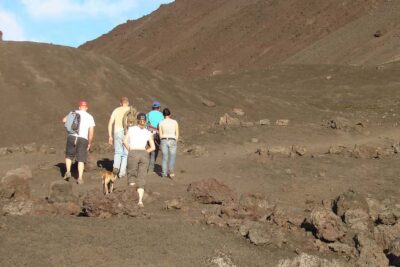
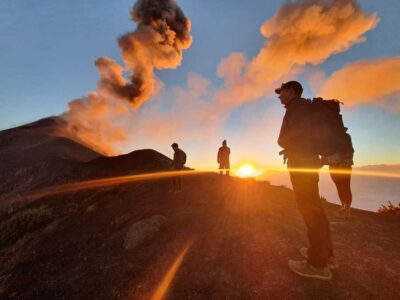
Antigua, Guatemala: Volcano Acatenango Overnight Hiking
Read our review →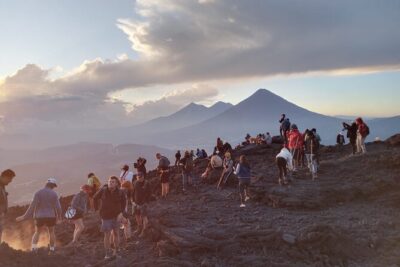
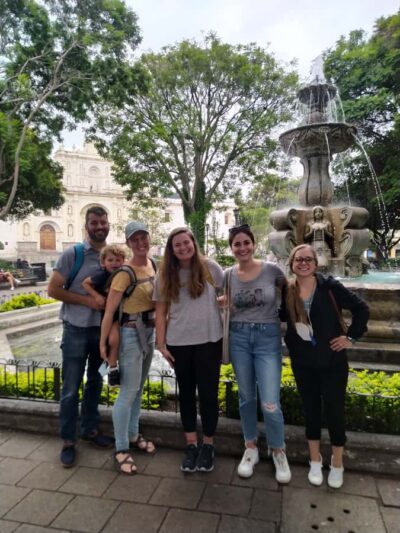
Antigua Guatemala: City Highlights Guided Walking Tour
Read our review →
FROM ANTIGUA, ROUND TRIP: EXPLORING THE VILLAGES OF LAKE ATITLÁN.
Read our review →
Browse the lists this tour appears in